Night Train Guide of Europe
In most countries across Europe, you can find night trains, which offer a highly convenient way to travel.
You can board your night train in the evening after a day of sightseeing or work, enjoy a good night’s sleep in your cosy compartment, and wake up fully rested the next morning at your new destination. Night trains are not only convenient but can also be highly affordable, especially when you consider that you save the cost of a night’s hotel accommodation.
In this guide, I will explain everything you need to know about night trains in Europe, including where you can find them and what you can expect on board.
Night trains in Europe
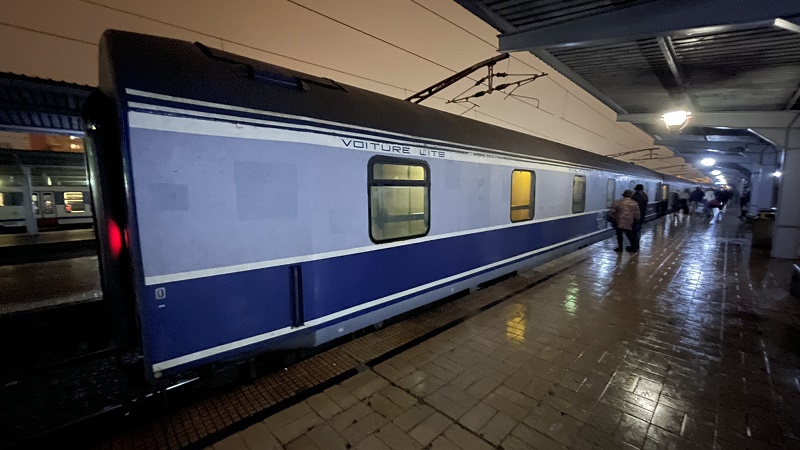
There are several operators of night trains in Europe, with Nightjet – the sleeper train division of ÖBB, the Austrian Federal Railways – being the largest and best known. Vienna is the main Nightjet hub, from where the company operates dozens of routes to neighbouring countries. Nightjet also operates routes completely outside Austria, for example linking Germany with Italy or the Netherlands with Switzerland.
Many other European railway companies also operate night trains. These include:
- Astra Trans Carpatic (Romania) operates one domestic sleeper service
- BDŽ (Bulgaria) – operates domestic sleeper services
- Caledonian Sleeper (UK) – operates domestic sleeper services
- České dráhy (Czech Republic) – operates international sleeper services
- CFR (Romania) – operates both domestic and international sleeper services
- European Sleeper (Netherlands and Belgium) – operates international sleeper services
- GWR (UK) – operates one domestic sleeper service
- HŽPP (Croatia) – operates both domestic and international sleeper services
- MÁV (Hungary) – operates international sleeper services
- PKP (Poland) – operates both domestic and international sleeper services
- RegioJet (Czech Republic) – operates international sleeper services
- SJ (Sweden) – operates both domestic and international sleeper services
- Snälltåget (Sweden) – operates both domestic and international sleeper services
- SNCF (France) – operates domestic sleeper services
- TCDD (Turkey) – operates both domestic and international sleeper services
- Trenitalia (Italy) – operates domestic sleeper services
- Ukrzaliznytsia (Ukraine) – operates both domestic and international sleeper services
- VR (Finland) – operates domestic sleeper services
- Vy (Norway) – operates domestic sleeper services
- ŽS/ŽPCG (Serbia/Montenegro) – operates one international sleeper service
- ZSSK (Slovakia) – operates both domestic and international sleeper services
Most of the railway companies mentioned above are the national railway companies of their respective countries. However, the list also includes some private railway companies that operate their own night train services.
The most notable of these are European Sleeper, which operates only international night trains, and RegioJet, a large private operator based in the Czech Republic that runs both daytime and night trains.
Travel classes
Although travel classes can vary depending on the operator, most European railway companies use the same terms to describe them.
On a typical night train in Europe, you will find the following travel classes:
- Seats
- Couchette
- Sleeper
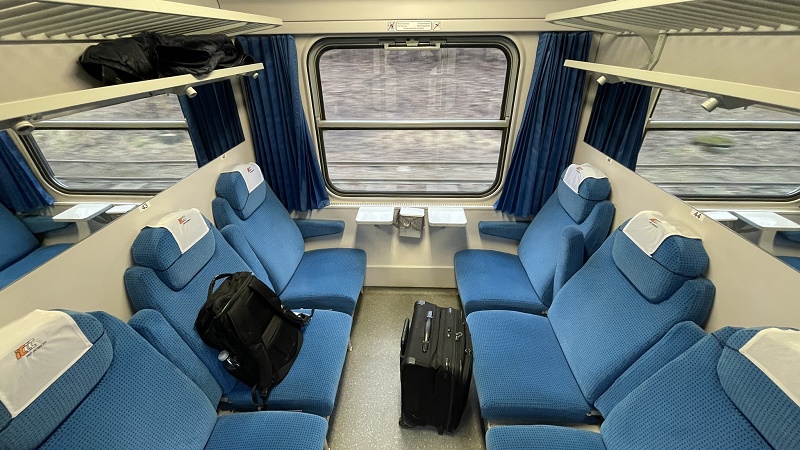
Standard seats can be in either second or first class, with seating arranged in open-plan saloon cars or in side compartments. This is not a recommended option for night train travel, as you will likely arrive at your destination the next morning completely exhausted after a rough night’s sleep.
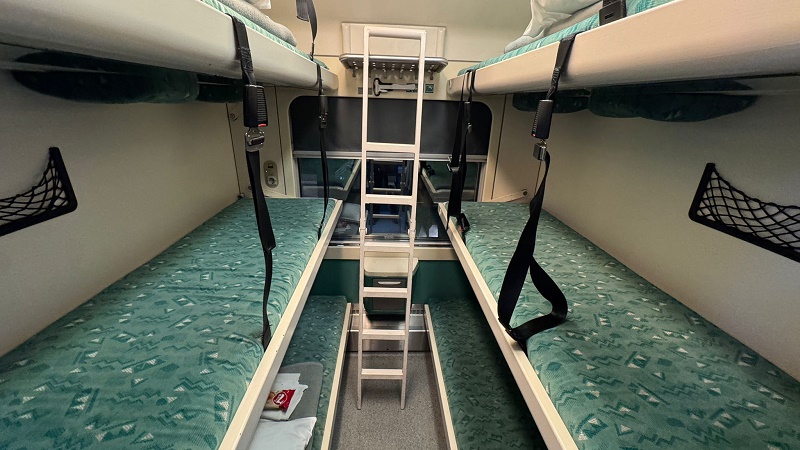
A much better option for budget travellers, or for families and groups, is a couchette. These are basic sleeping berths inside a compartment, allowing you to lie flat and get some proper rest. Couchettes typically have four or six berths per compartment.
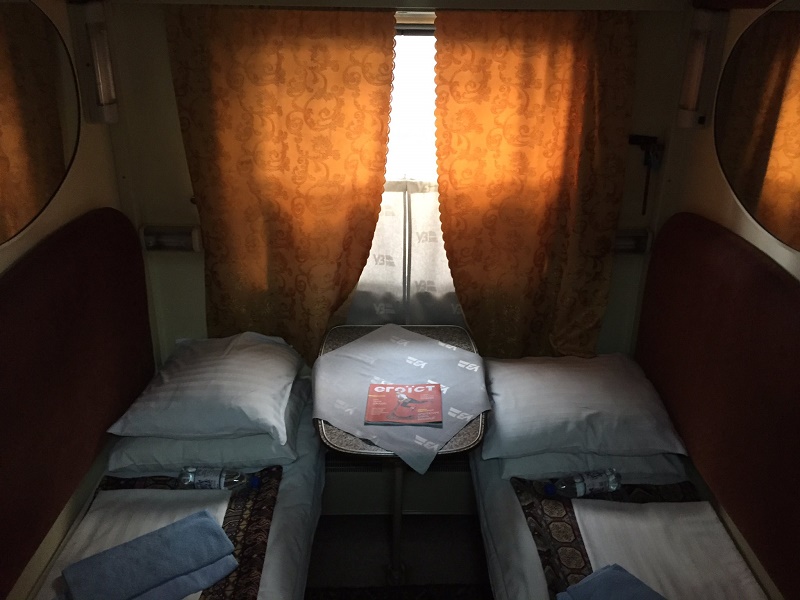
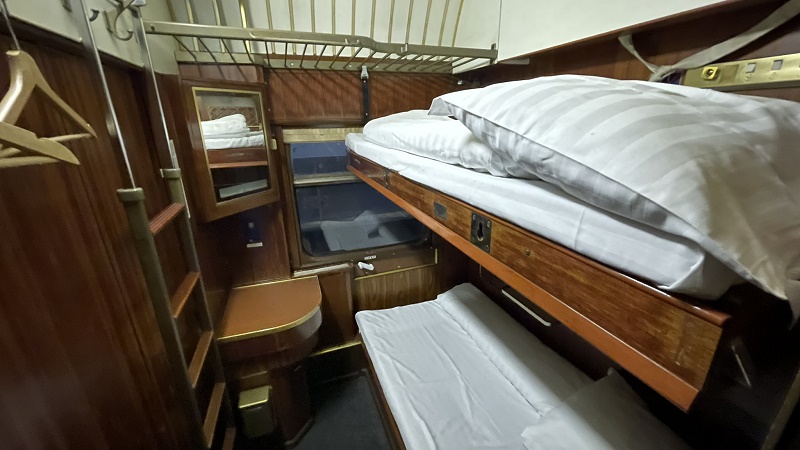
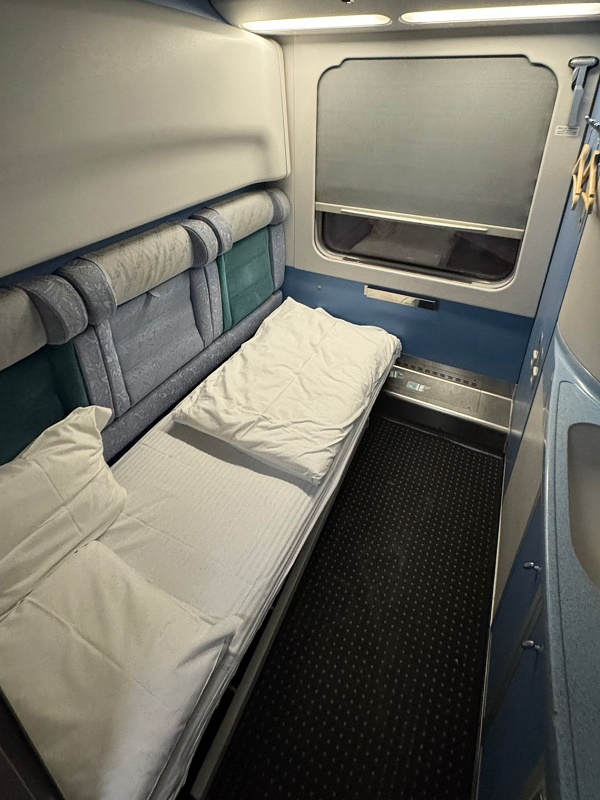
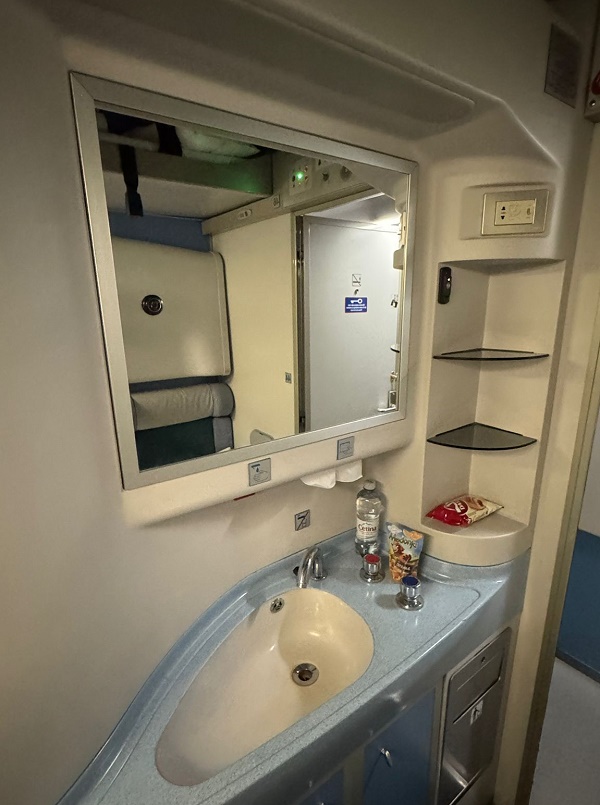
The best accommodation option on a night train is a sleeper, which typically has one, two, or three comfortable berths per compartment. Most sleeper compartments include a washstand, and some railway companies also offer en-suite sleepers with a toilet and/or shower.
Booking night train tickets
When you book a night train ticket, you can choose whether you want a private compartment or are willing to share one.
Couchettes are usually shared with other travellers, unless you book all the berths in a compartment or an operator explicitly offers the option to reserve a compartment for private use.
Sleepers can usually be booked as single, double, or triple. If you are travelling alone and want sole occupancy of a compartment, you must book a single. If two of you are travelling together and want a sleeper to yourselves, you must book a double.
On European trains, couchettes and sleepers are generally mixed-sex, although quite some railway companies offer the option to book a berth in a female-only compartment.
What to expect on board a night train in Europe
Although quite a few European night train operators offer en-suite sleepers with a toilet and/or shower, many have only a washstand in the sleeper compartments. Shared toilets are located at the far ends of each carriage, and these are the ones you will have to use if you have a couchette or an ordinary seat.
Sleeper compartments should have at least one power socket, although couchettes sometimes lack them.
Bedding – such as a pillow, sheets, and a blanket – is always provided. In a couchette compartment, you usually have to make your own bed, while in a sleeper, this is done for you by the train staff.
Although some night train services have a dining car, the vast majority do not, which means you will need to bring your own supplies of water, snacks, breakfast for the following morning, and perhaps a nightcap before you go to sleep.
If you are travelling in a sleeper, most night train operators provide a complimentary breakfast, served in your compartment in the morning.
Although the night train attendant will usually wake you by knocking on the door about an hour before arrival, it is always wise to set your own alarm to avoid oversleeping.
On international night train services, you may also be woken by a border guard for on-board border control formalities. This typically occurs when travelling from the Schengen Area to a non-Schengen country, or between non-Schengen countries. However, it can sometimes happen within the Schengen Zone as well, with German police being particularly known for conducting border checks on trains.
Night train safety
Couchette and sleeper compartments on night trains can be locked from the inside, allowing you to sleep knowing your belongings are secure. On older trains, you will find a standard lock plus a chain or deadbolt, while on newer night trains a hotel-style keycard is used to lock and unlock the door. Most night trains also have a sleeper car attendant who remains on duty throughout the night.
Although stories of night trains being unsafe and valuables being stolen are often exaggerated, it is still wise to take common precautions, especially when sharing a compartment with strangers.
First of all, always keep your wallet, passport, and other valuables close to you. At night, it is best to store them in the storage pocket next to your berth, or perhaps under your pillow, rather than leaving them in your bag. When you go to the toilet, always take your valuables with you rather than leaving them in your compartment.
Similarly, it is wise to avoid leaving your compartment unattended during station stops, as these are the moments when a thief is most likely to quickly board the train and snatch a bag from an unlocked compartment.
Book your European trains online
Omio is a great website to book your European train tickets. This booking platform can book almost any European rail journey and allows you to instantly compare prices between different operators.
This means you do not have to visit the websites of individual national or private operators, as all available train connections appear in a single search.
Use the search tool above to find the best connection for your European rail journey.