High-Speed Train Guide of Europe
Europe has a large high-speed railway network, making it possible to travel between major cities by train in just a few hours.
On many high-speed rail routes, taking the train is even faster than flying when you calculate the city-centre to city-centre travel time. In addition, you avoid the hassle of travelling to and from airports located far out of town, arriving early for check-in, annoying security procedures, and waiting for your baggage on arrival.
This does not even take into account that travelling on a high-speed train is far more comfortable than sitting in a cramped seat on a plane!
In this guide, I will explain all you need to know about high-speed trains in Europe, including where you can find them and what travelling on them is like.
High-speed railway network in Europe
You will find high-speed railways in many European countries. Spain has the largest high-speed railway network, followed by France, with Germany and Italy coming next.
Of course, high-speed trains require dedicated high-speed railway lines to reach their top speeds. However, many high-speed trains in Europe also run on conventional railway lines, or combine high-speed and conventional lines along their routes. This is more common in countries where the high-speed rail network is less dense, such as Germany.
High-speed trains in Europe
Many European railway companies operate high-speed trains. These are the main high-speed train services in Europe:
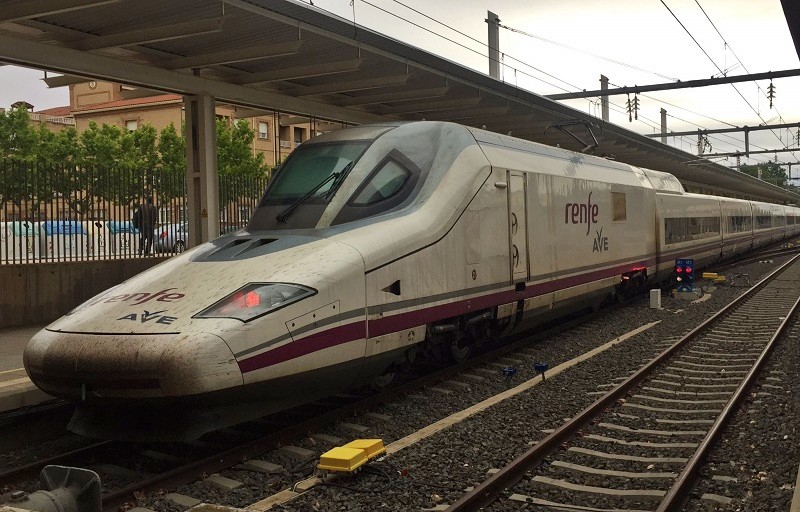
- AVE – Spain
- EIP – Poland
- Eurostar – Belgium, France, Germany, Netherlands, UK
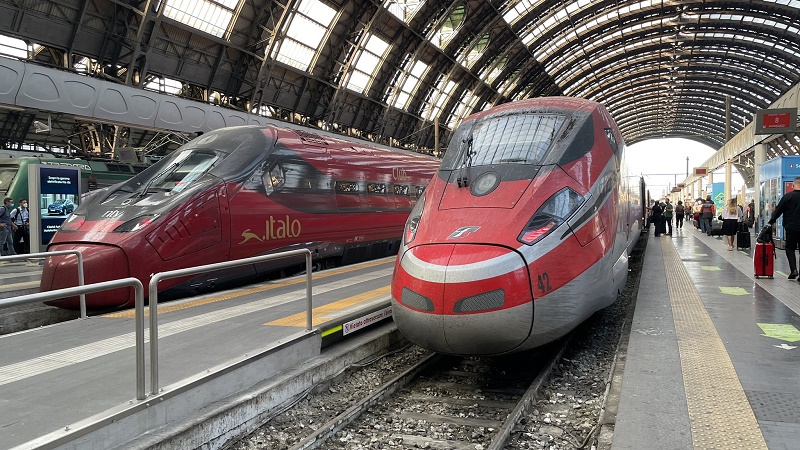
- Frecciarossa – Italy
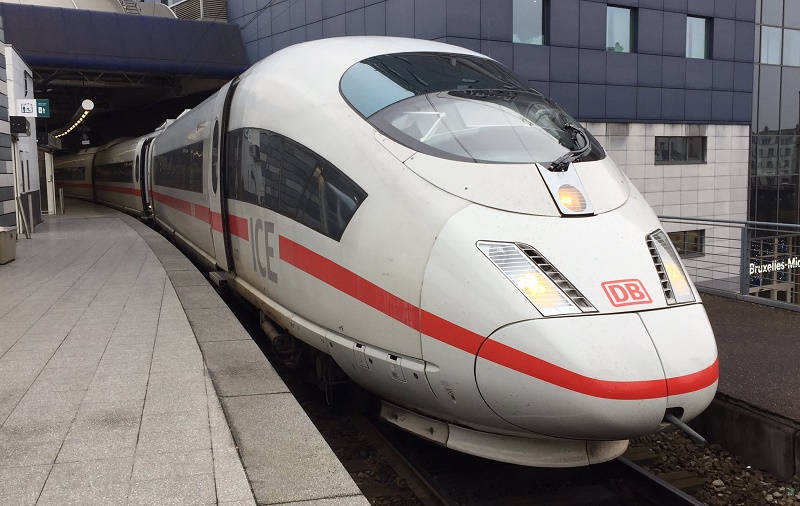
- ICE – Germany
- Railjet – Austria
- TGV – France
- YHT – Turkey
Although some of these high-speed trains operate only domestically within a single country – such as Turkey’s YHT and Poland’s EIP services – others run on both domestic and international routes.
For example, if you want to travel between France and Italy by high-speed train, you can choose between the TGV service operated by the French national railway company SNCF or the Frecciarossa high-speed service operated by the Italian national railway company Trenitalia.
Of the operators listed above, Eurostar is the only one that operates exclusively international high-speed rail services in Western Europe and does not run any domestic routes.
Competition
In Spain, France, and Italy, there is now competition between different high-speed operators, as private or open-access companies have entered the domestic market to challenge the incumbent national railway operators.
Italy was at the forefront of competition on the high-speed railway lines when private operator Italo launched their high-speed train services in competition with the Frecciarossa high-speed trains of national railway company Trenitalia.
Within Spain, the national railway operator Renfe – which runs its flagship AVE high-speed train service to destinations across the country – faces competition from Iryo, whose main shareholder is the Italian national railway company Trenitalia, and Ouigo España, the low-cost subsidiary of the French national railway company SNCF. This has prompted Renfe to launch its own low-cost high-speed service, called Avlo.
In France, the national operator SNCF runs both its flagship inOui TGV services and a low-cost high-speed train service known as Ouigo. It faces competition from Trenitalia, which has also launched domestic high-speed Frecciarossa services in France as an open-access operator.
High-speed train tickets in these countries can sometimes be very affordable, partly thanks to the fierce competition in the market.
Travel classes
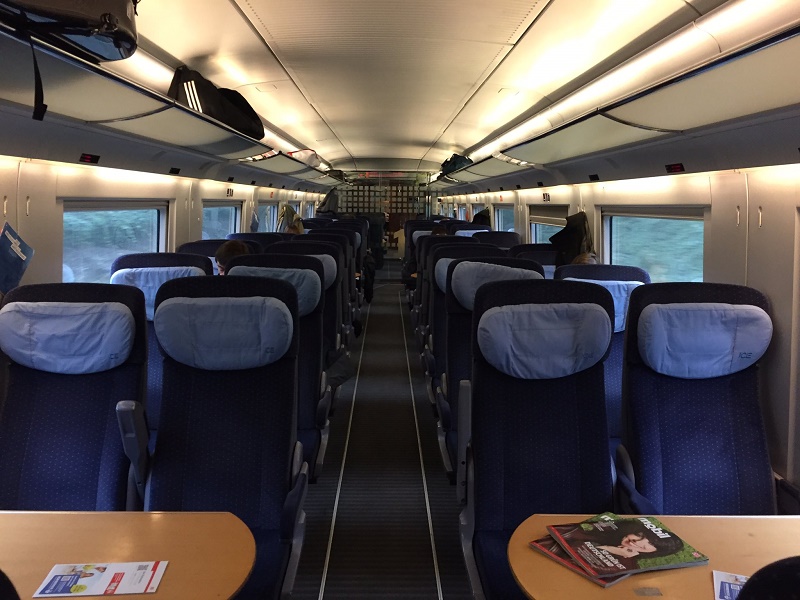
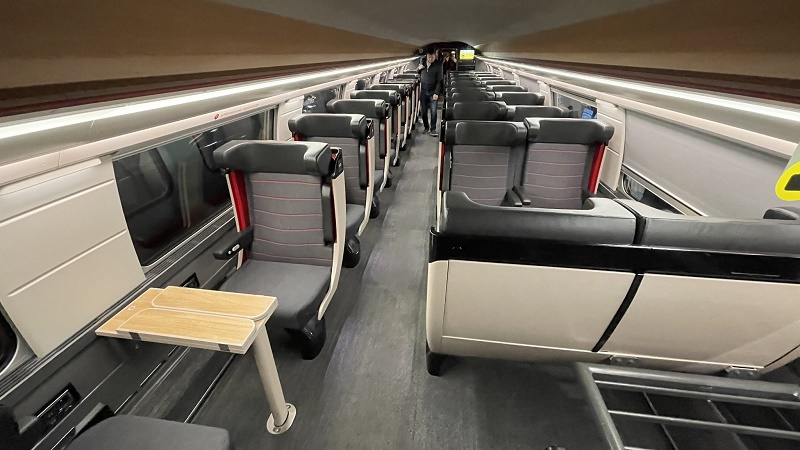
Travel classes on board European high-speed trains vary by operator, with some offering as many as four different classes.
Although the names differ between operators, you can always expect a second-class option, usually with 2+2 seating, and a first-class option with more spacious 2+1 seating and wider, more comfortable seats. Some operators also offer classes similar to premium second and premium first class.
Check the individual high-speed train pages above for more information on each service, or look up reviews on Google or watch a YouTube video to see what you can expect on board.
Check-in and boarding
Check-in procedures for high-speed trains vary depending on the operator. In many countries, such as Germany, taking a high-speed train is no different from taking a commuter train: you simply find the correct departure platform and board.
In other countries – most notably Spain and Turkey – the process is more cumbersome, as there is an airport-style security check where your bags are scanned and you walk through a metal detector before you can even access the main waiting area. Fortunately, this is much quicker than at an airport, with no restrictions on liquids and no need to remove laptops from your bag. Once through security, you must wait until boarding is called, at which point your ticket is scanned and you can access the platform.
Eurostar high-speed services to and from the UK are another exception, as they do involve a check-in procedure at the Eurostar terminal as well as security control.
In France and Italy, you only need to scan your ticket at the platform entrance before boarding your high-speed train.
Luggage
Any luggage you are travelling with can simply be carried on board a high-speed train. You can store it in the overhead racks above your seat or in the dedicated luggage racks found in each carriage. Check with the operator to see whether there are any restrictions on the size, weight, or number of bags.
While most operators do not impose strict limits and effectively allow you to carry as much as you can manage, some high-speed services – such as French TGV trains – do have restrictions, although most travellers will find them quite generous.
This is particularly relevant when travelling on low-cost high-speed services such as Ouigo or Avlo, which do enforce their baggage rules and sometimes carry out checks upon boarding.
Food and drinks on high-speed trains
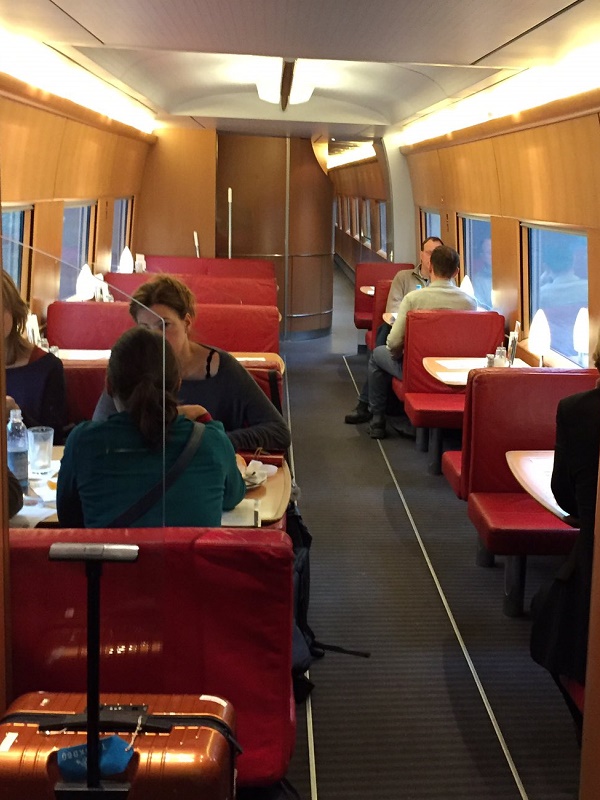
Almost all high-speed trains have a café-bar carriage where you can buy snacks, drinks, or light meals. You can consume these at standing tables in the café-bar or take them back to your seat.
Only ICE and Railjet high-speed trains feature a proper dining car with seated, table-service dining and full meals. Of course, you are always free to bring your own food and drinks on board a high-speed train.
Sometimes, a drink or snack may be included in your ticket price when travelling in first class, such as in Business and Executive Class on Frecciarossa high-speed trains, with the latter even offering complimentary alcoholic drinks and light meals from a dine-on-demand menu.
On Eurostar services to and from the UK, a free drink and meal are included in both Plus and Premier.
On inOui TGV in France and AVE trains in Spain, only the most expensive first-class fares include complimentary drinks and a meal.
Book your European trains online
Omio is a great website to book your European train tickets. This booking platform can book almost any European rail journey and allows you to instantly compare prices between different operators.
This means you do not have to visit the websites of individual national railway companies or private operators, as all available train connections appear in a single search.
Use the search tool above to find the best connection for your European rail journey.
Remember that ticket prices on high-speed trains vary depending on demand, much like airline fares, and are generally cheaper when booked in advance or when travelling at less convenient times or on quieter days. Especially during the summer season or around national holidays, booking your train ticket ahead is essential, as seats can sell out.
If you are planning to make multiple high-speed train journeys during your travels in Europe, buying a rail pass such as an Interrail or Eurail pass could be worthwhile.